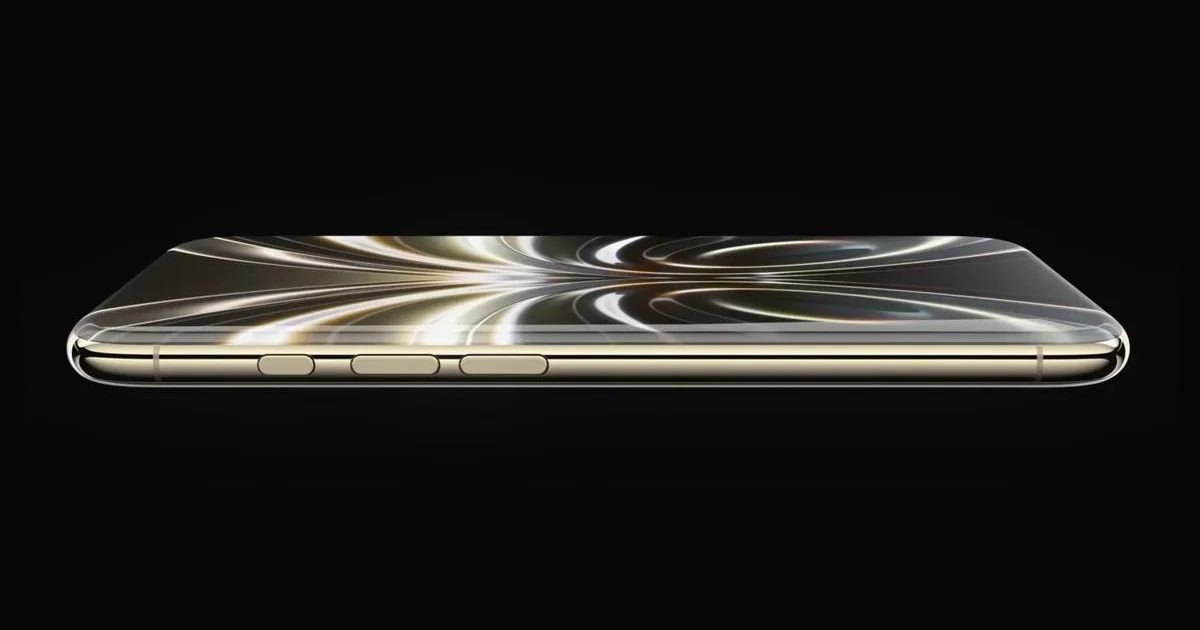
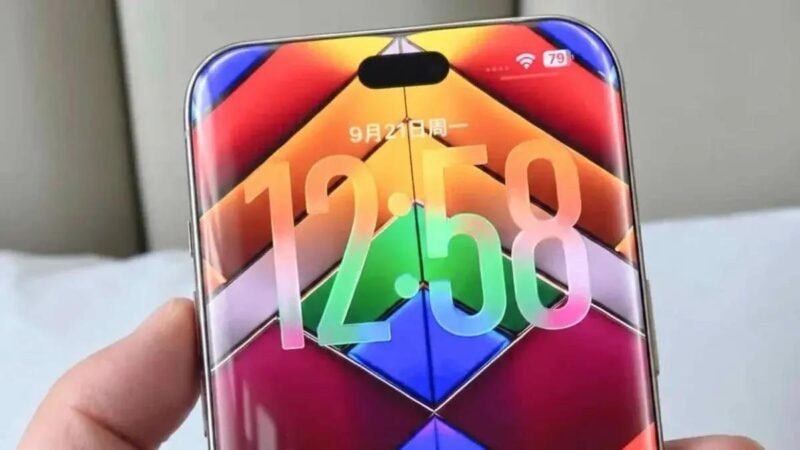
iPhone 20 may become the first anniversary Apple smartphone with ceramic body elements. According to information Chinese insider Fixed Focus Digital, the company is testing such components in small batches. There is no official confirmation yet, and the design of the smartphone may still change before it goes on the market. Ceramic has an attractive appearance, resists scratches well and can give the device a premium feel. However, this is not enough for a smartphone that is carried in the pocket every day and is often held in the hands. Apple you will have to take into account not only the appearance of the material, but also its resistance to falls, thermal characteristics and the cost of repairs.
iPhone 20 with ceramics: advantages and risks
Ceramic could help Apple differentiate the anniversary iPhone from previous models. The material has a smooth surface, looks expensive and can maintain an attractive appearance even after long-term use. One of the main advantages of ceramics is scratch resistance. This is important for a smartphone whose case is constantly in contact with keys, coins and other objects. However, resistance to scratches does not mean that the material withstands shocks well. Ceramics may crack or chip if dropped on a hard surface. In this case, even a small damage to the case may require expensive repairs. For the anniversary iPhone, which will potentially cost more than regular models, this is an especially important factor. Premium material should not only look better, but also provide sufficient practicality in everyday use.
Could the ceramic case make it harder for the iPhone 20 to cool?
Another question concerns heat dissipation. Ceramic generally conducts heat worse than many metals, although specific characteristics depend on its composition and construction. If Apple uses ceramic elements in the iPhone 20 case, engineers will have to consider their effect on heat dissipation from the processor and other internal components. This does not mean that the smartphone will necessarily overheat. Apple can apply separate heat sinks or change the internal layout. However, the new material potentially adds another challenge to engineers, especially if the anniversary model gets a powerful processor and new display technologies.
Ceramics can make the iPhone 20 more expensive
The production of ceramic parts can be more expensive than using traditional glass and metal. The material requires careful processing, and obtaining a uniform surface and exact dimensions can complicate the production process. If Apple decides to use ceramics in a special version of the iPhone 20, this may affect the cost of the device. Additional costs may also arise due to more complex hull design and maintainability. It is not yet known whether it is the entire case, the back panel or only individual decorative or structural elements. Therefore, it is too early to assess the possible price increase of the smartphone.
Should Apple use ceramic in the anniversary iPhone?
Ceramics can give the iPhone 20 a special look and make it different from other models. But premium material alone does not guarantee a better user experience. Not only scratch resistance and appearance are important for a smartphone. It must withstand everyday drops, dissipate heat efficiently, and remain affordable for repair. If Apple can deliver on these features, ceramic could be a fitting solution for the anniversary model. If it is used primarily for design, it can add cost and risk without obvious practical benefit. For now, information about the ceramic elements of the iPhone 20 remains a rumor. Apple has not confirmed either the material of the case or the design of the future smartphone. Final conclusions can be drawn only after the appearance of official characteristics and independent tests.